AI vs Human Nutritionist: 2026 Guide
Key Takeaways
In 2026, AI nutritionists offer hyper-personalized, data-driven advice for $15/month, rivaling the accuracy of human experts for general wellness. However, for complex medical conditions and behavioral therapy, human dietitians remain the gold standard. This guide breaks down exactly which option is right for your metabolic goals.

The landscape of personal health has shifted dramatically. Just five years ago, "personalized nutrition" meant a printed meal plan from a dietitian after a 60-minute consultation.
Today, in 2026, personalized nutrition is a real-time data stream. It is your watch telling you your glucose is spiking, your ring tracking your sleep recovery, and your phone analyzing the chemical composition of your lunch in milliseconds.
With the rise of AI Nutritionists—sophisticated algorithms trained on millions of clinical data points—the question is no longer "Can AI help me eat better?" but rather "Do I still need a human nutritionist?"
This comprehensive guide analyzes the capabilities, costs, and clinical limitations of both options to help you make an informed decision for your metabolic health.
The Evolution: From Calorie Counting to "Digital Twins"
Early nutrition apps were passive calculators. You inputted data; they spat out numbers. Modern AI Nutritionists are active agents. They utilize Predictive Health Modeling to create a "digital twin" of your metabolism. By integrating data from Continuous Glucose Monitors (CGMs), DNA tests, and daily activity, AI can predict how your body will react to a banana vs. a cookie before you even eat it.
1. The Case for AI Nutritionists
Best for: Weight loss, metabolic optimization, biohackers, and budget-conscious users.
Hyper-Personalization at Scale
A human dietitian can analyze your food diary once a week. An AI analyzes it every second.
- Real-Time Feedback: Apps like Food For You use computer vision to scan ingredients and NOVA processing levels instantly. This "point-of-decision" intervention is proven to change behavior more effectively than retrospective review.
- Data Integration: AI seamlessly pulls data from wearables (Apple Health, Oura, Whoop). It knows you slept poorly and automatically suggests a higher-protein, lower-glycemic breakfast to counteract insulin resistance.
Cost Efficiency and Accessibility
The economic disparity is massive.
- AI App: $10 - $20 / month (Unlimited access).
- Registered Dietitian: $150 - $250 / initial consultation + $100 / follow-up.
For the price of one human session, you can have a year of AI coaching. For general wellness, the value proposition of AI is undeniable.
Unbiased Accuracy
Humans are fallible. We underestimate portion sizes and forget snacks.
- Visual Precision: AI doesn't rely on your memory. It sees the food. 2025 benchmarks show AI image recognition has a 95% accuracy rate for identifying macronutrients in standard meals, whereas human self-reporting has a margin of error up to 50%.
2. The Case for Human Registered Dietitians (RDs)
Best for: Complex medical conditions, eating disorders, and deep psychological support.
Clinical Judgment & Medical Nutrition Therapy (MNT)
AI operates on logic; bodies operate on biology, which is often messy.
- Complex Pathology: If you have Stage 3 Kidney Disease, Crohn's Disease, and are on multiple medications, an AI might suggest a "healthy" food (like spinach) that is actually dangerous for you (high oxalates/potassium). A human RD understands these critical nuances.
- Physical Assessment: An AI cannot check for physical signs of deficiency (hair loss, nail texture, skin pallor) or interpret the subtle interplay of symptoms that don't show up in data logs.
The Psychology of Eating
Food is emotional.
- Empathy & Accountability: An AI can send a notification, but it cannot care. For someone struggling with Binge Eating Disorder (BED) or Anorexia, an AI's focus on numbers can be triggering. A human provides a safe space to explore the root causes of emotional eating, using techniques like Cognitive Behavioral Therapy (CBT).
- Nuance: A human knows when to tell you to stop tracking. Sometimes, the healthiest thing you can do is put the app away. AI struggles to make that judgment.
Head-to-Head Comparison
| Feature | AI Nutritionist (App) | Human Registered Dietitian (RD) |
|---|---|---|
| Cost | $10 - $20 / month | $100 - $250 / session |
| Availability | 24/7 Instant | Appointment-based |
| Data Analysis | Continuous, Multi-source (Wearables) | Episodic (Review during visits) |
| Empathy | Simulated (Improving) | Genuine, Therapeutic |
| Medical Safety | High for general pop, Low for complex cases | Gold Standard for pathology |
| Behavior Change | Nudges & Gamification | Counseling & Therapy |
Scenarios: Which Should You Choose?
Scenario A: The "Busy Professional"
Goal: Lose 10lbs, improve energy, optimize focus. Winner: AI Nutritionist. You need efficiency and data. You don't need therapy; you need a tool that integrates with your calendar and Apple Watch to tell you exactly what to eat for sustained energy. Food For You is perfect here.
Scenario B: The "Medical Patient"
Goal: Manage newly diagnosed Type 1 Diabetes or IBS. Winner: Human RD (initially). You need to learn the ropes of a serious condition. A human expert ensures you understand insulin dosing or FODMAP elimination safely. Once stable, you might switch to AI for maintenance.
Scenario C: The "Yo-Yo Dieter"
Goal: Stop the cycle of losing and gaining weight. Winner: Hybrid. You need the daily tracking of AI to build habits, but the monthly check-in with a human to address the psychological barriers that cause self-sabotage.
The Verdict: The Future is Hybrid
The "AI vs. Human" debate is a false dichotomy. The most successful health outcomes in 2026 come from Hybrid Care Models.
Top-tier dietitians are now using AI tools to handle the "grunt work"—calorie counting, macro analysis, and meal planning. This frees them to focus on what they do best: coaching, empathy, and clinical strategy.
Your Next Step: If you are ready to take control of your nutrition with the precision of AI, start today. You don't need to wait for an appointment to understand what's in your food.
Try Food For You: Our advanced scanning technology gives you the "eyes" of a nutritionist in your pocket. Scan labels to detect ultra-processed ingredients and get an instant Health Score.
Register for free today and start building your digital health profile.
References
- Bond, R., et al. (2025). "Pros and Cons of AI in Nutrition and Dietetics: A Systematic Review." Julie Nutrition Journal. Retrieved from julienutrition.com
- Panayotova, G. G. (2025). "Artificial Intelligence in Nutrition and Dietetics: Clinical Applications." PubMed Central. Retrieved from ncbi.nlm.nih.gov
- NutriTech Dynamics (2025). "AI-Nutrition Coaches in 2025: The Shift to Hybrid Care Models." Retrieved from nutritechdynamics.com
- Fortune Well (2026). "The Best Nutrition Apps of 2026: Approved by Experts." Retrieved from fortune.com
- Azimi, I., et al. (2025). "Evaluation of LLMs accuracy and consistency in the Registered Dietitian exam." Nature Scientific Reports. Retrieved from nature.com
Frequently Asked Questions
Team Food For You
Reviewed by: Dr. Arthur Price
The Food For You team combines AI technology with nutrition science to help people make safer, healthier food choices.
Learn more about usMedical Disclaimer
The content provided in this blog is for informational purposes only and does not constitute medical advice. Always consult with a qualified healthcare professional for diagnosis and treatment of allergies.
Related Articles
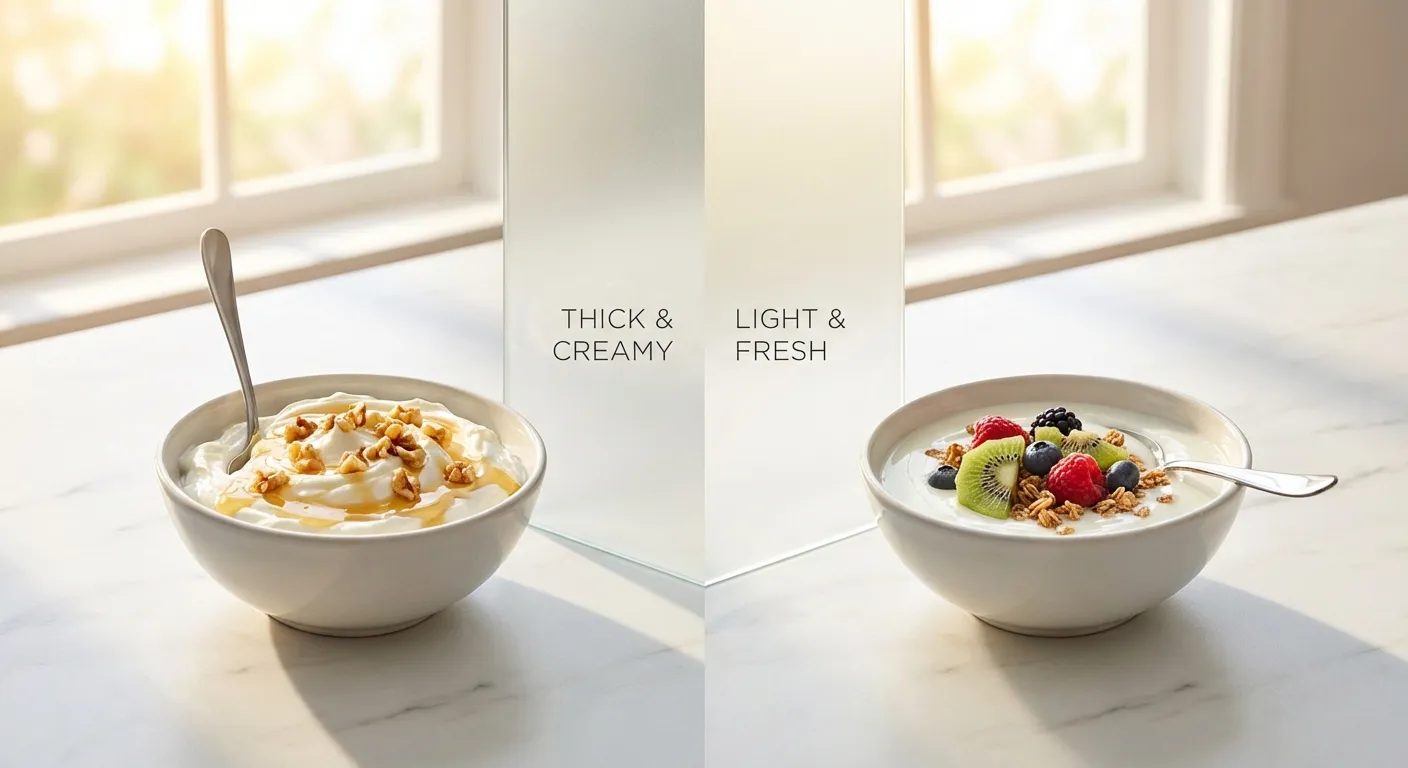
Greek vs Regular Yogurt: Nutrition Duel
Confused in the dairy aisle? We compare Greek vs. Regular yogurt on protein, calcium, and processing to help you choose the best option for your goals.
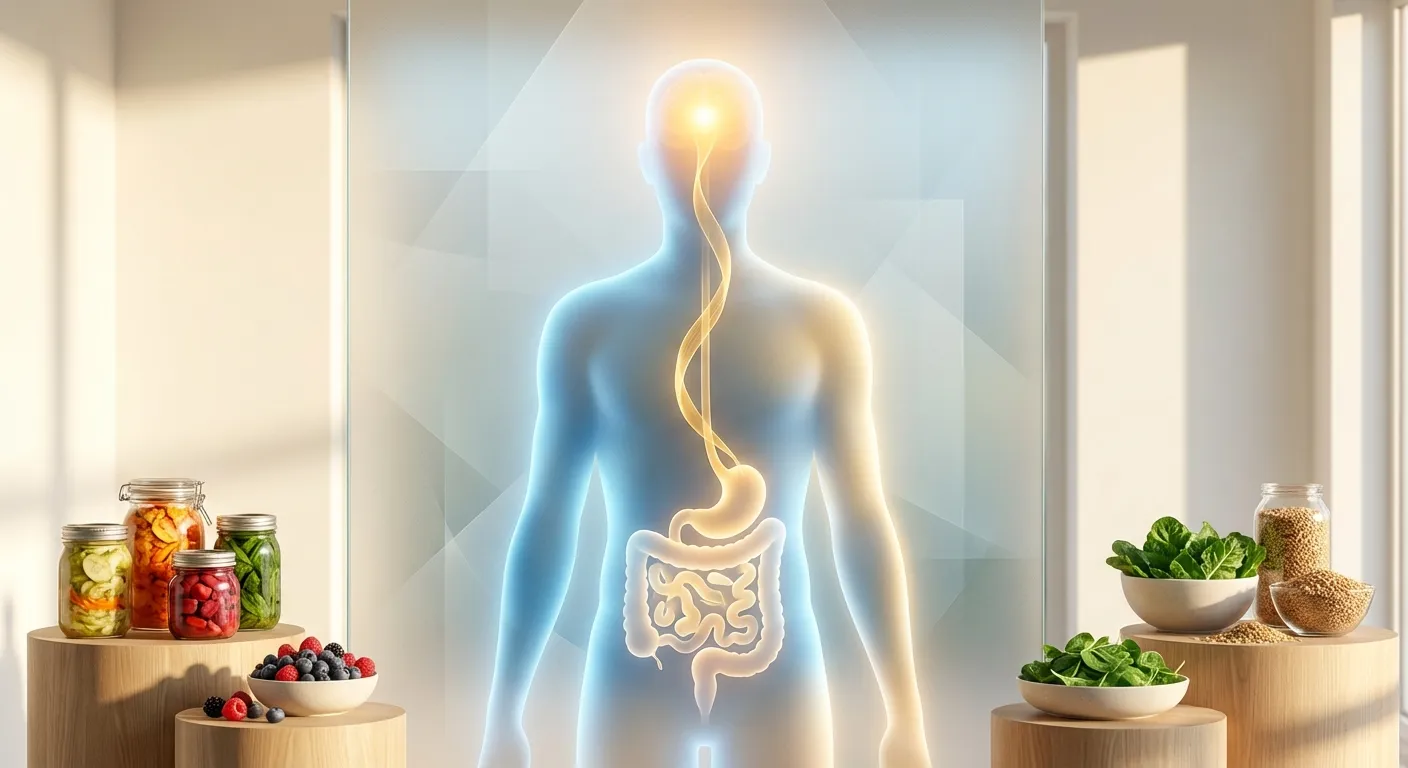
Food & Mood: Gut-Brain Connection Guide
Discover the science behind the gut-brain axis. Learn how ultra-processed foods affect mental health and which foods naturally boost serotonin.
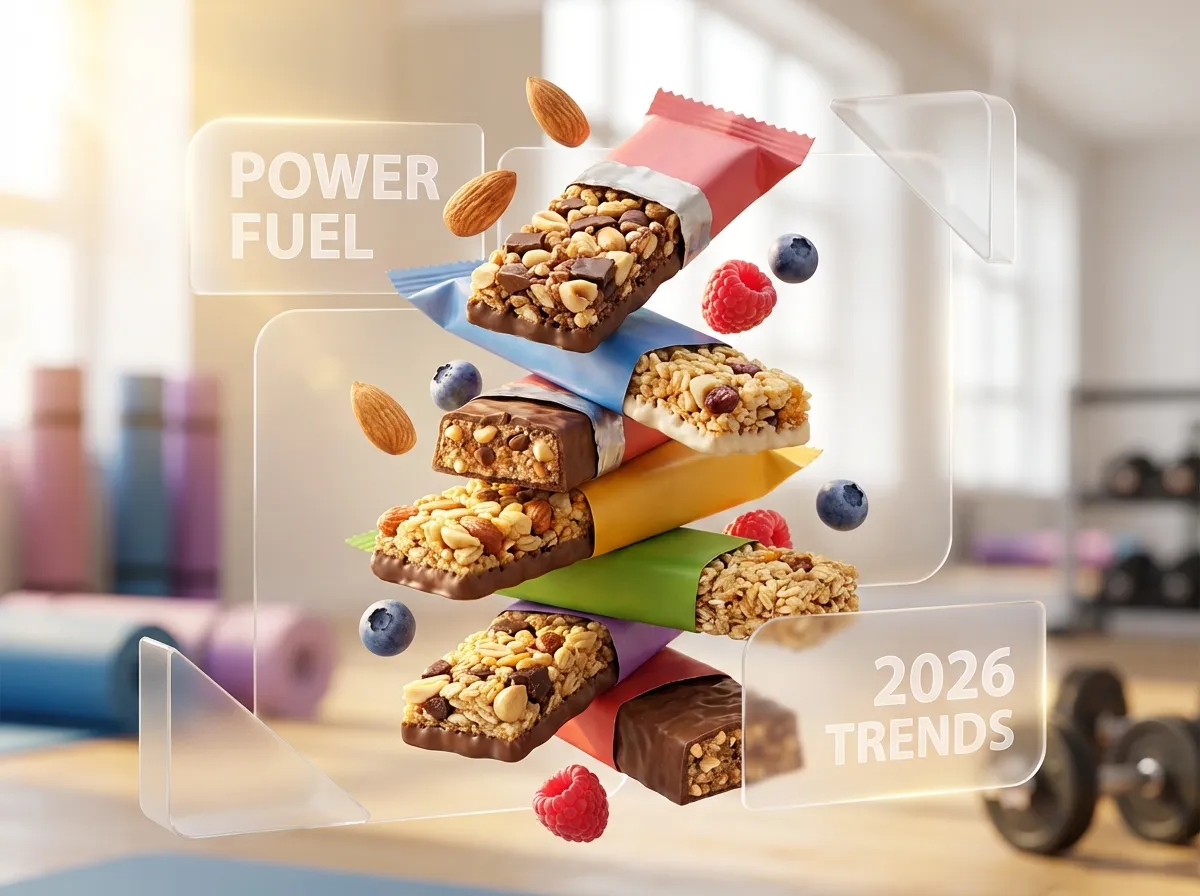
Are Protein Bars Healthy? Top 10 Ranked
We analyzed the top 10 protein bar brands of 2026 using the NOVA scale. Find out which are real food and which are just candy in disguise.
