Metabolic Health 101: Beyond Weight Loss
Key Takeaways
Weight is just a number, but metabolic health is the engine of your life. In this deep dive, we explore why being thin doesn't guarantee health (TOFI), the 5 key markers you need to track (plus advanced 2026 metrics), and how ultra-processed foods damage your mitochondria even without weight gain.
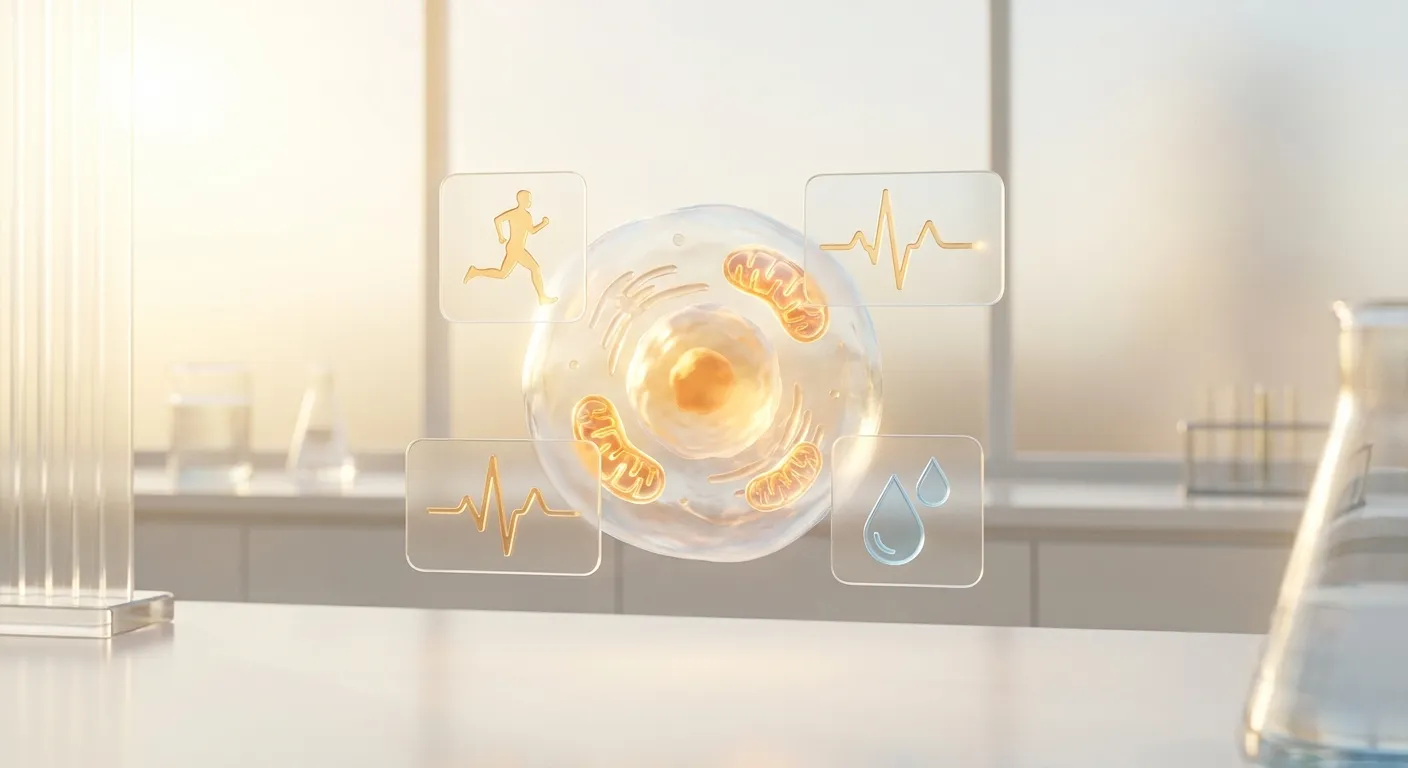
For decades, the health and fitness industry has been obsessed with one metric: Weight.
We’ve been conditioned to believe that if the number on the scale goes down, we are getting healthier. If we are thin, we are "safe." If we are overweight, we are "at risk."
In 2026, we know this is dangerously simplistic.
New research reveals that millions of people with a "normal" BMI are metabolically unhealthy, walking around with a ticking time bomb of hidden risks. Conversely, aggressive weight loss achieved through poor nutrition can actually damage your metabolism, leading to long-term health consequences.
Welcome to Metabolic Health 101. It’s time to stop looking at the scale and start looking at the engine under the hood.
The Core Concept: What is Metabolic Health?
Metabolic health is not about your jean size. It is about how well your body generates and processes energy at a cellular level.
Think of your metabolism as your body's engine. A healthy engine can switch seamlessly between fuel sources (fats and carbohydrates), runs efficiently without overheating (inflammation), and produces clean energy for your brain and muscles.
A metabolically healthy person typically exhibits:
- Stable Blood Sugar: No massive spikes after meals or crashes that leave you "hangry."
- Metabolic Flexibility: The ability to burn stored body fat for energy when food isn't available.
- Low Inflammation: Absence of chronic, low-grade systemic inflammation.
- Optimal Organ Function: A liver that isn't fatty, a pancreas that isn't overworked, and kidneys that filter efficiently.
When your metabolism is broken, your body struggles to handle fuel. Instead of burning it, it stores it as visceral fat or leaves it circulating in your blood, damaging your arteries and organs.
The "Skinny Fat" Paradox (TOFI)
One of the biggest myths in health is that "thin" equals "healthy." This misconception masks a dangerous condition known as TOFI: Thin Outside, Fat Inside.
TOFI describes individuals who have a normal Body Mass Index (BMI) but carry significant amounts of visceral adipose tissue.
Why Visceral Fat is the Real Enemy
Unlike subcutaneous fat (the "pinchable" fat under your skin), visceral fat is stored deep inside the abdomen, wrapping around vital organs like the liver, pancreas, and intestines.
Visceral fat is not just inert storage; it is metabolically active tissue. It acts like a rogue endocrine organ, pumping out inflammatory cytokines (like IL-6 and TNF-alpha) that disrupt hormonal signaling and cause systemic insulin resistance.
Critical Insight: Research suggests that up to 40% of people with a normal BMI have some form of metabolic dysfunction. You cannot see metabolic health in the mirror.
The Root Cause: Insulin Resistance
To understand metabolic health, you must understand Insulin Resistance.
Insulin is a hormone that acts as a key, unlocking your cells to let glucose (energy) in. When you constantly flood your body with refined carbohydrates and ultra-processed foods, your cells eventually stop responding to the knock. They become "resistant."
To compensate, your pancreas pumps out more insulin to force the door open. This leads to a state of Hyperinsulinemia (chronically high insulin).
The Danger Zone: You can have normal blood sugar levels for years while your insulin levels are sky-high. Your doctor might say you are fine because they only check glucose, but your metabolic engine is already overheating.
The 5 Markers You Need to Know (2026 Update)
Doctors typically diagnose "Metabolic Syndrome" if you have 3 or more of these 5 standard risk factors. However, for true optimization in 2026, we look deeper.
The Standard 5
| Marker | Healthy Range (General Guide) | Why It Matters |
|---|---|---|
| Waist Circumference | < 40" (Men), < 35" (Women) | The best physical proxy for visceral fat. |
| Fasting Glucose | < 100 mg/dL | Shows how your body handles sugar at rest. |
| Blood Pressure | < 120/80 mmHg | Indicates stress on your cardiovascular system. |
| Triglycerides | < 150 mg/dL | Fat floating in your blood; high levels often mean carb overload. |
| HDL Cholesterol | > 40 mg/dL (Men), > 50 (Women) | The "good" cholesterol that cleans up arteries. |
The Advanced Metrics (Ask Your Doctor)
- Fasting Insulin (HOMA-IR): The earliest warning sign of metabolic dysfunction.
- ApoB (Apolipoprotein B): A more accurate predictor of heart disease risk than LDL cholesterol alone, as it counts the number of atherogenic particles.
- Hs-CRP: A marker of systemic inflammation.
The Role of Food Quality (It's Not Just Calories)
This is where the "Calories In, Calories Out" model fails spectacularly.
You could eat 1,500 calories of ultra-processed foods (UPFs) or 1,500 calories of whole foods. You might lose weight on both, but your metabolic result will be drastically different.
How UPFs Hijack Your Metabolism
- Rapid Absorption: UPFs are often "pre-digested" during manufacturing. They hit your bloodstream instantly, causing massive glucose and insulin spikes that overwhelm your mitochondria.
- Gut Barrier Damage: Emulsifiers (like polysorbate 80) and additives in UPFs can erode the mucus layer of your gut, leading to "leaky gut." This allows toxins to enter the bloodstream, triggering chronic inflammation.
- Nutrient Void: Your metabolism is a series of chemical reactions that require micronutrients (magnesium, zinc, B-vitamins) to function. UPFs provide energy without the necessary tools to process it, leading to "cellular starvation."
Check the Score: Don't just count calories. Use the Food Quality Analyzer to check the NOVA score of your food. A low-calorie snack with a poor NOVA score is a bad deal for your metabolism.
4 Steps to Fix Your Metabolic Health
The good news? Your metabolism is plastic. It can heal and adapt. Here is your blueprint for metabolic restoration.
1. Prioritize Protein and Muscle Mass
Muscle is your metabolic currency. It acts as a "glucose sink," soaking up excess sugar from your blood independent of insulin.
- Action: Aim for 1.2g to 1.6g of protein per kg of body weight.
- Action: Incorporate resistance training 2-3 times a week. You don't need to be a bodybuilder; just stimulating the muscle tissue improves insulin sensitivity.
2. Stop Drinking Your Sugar
Liquid sugar (soda, juice, sweet coffee, energy drinks) is the fastest way to induce fatty liver. Fructose in liquid form bypasses your body's satiety signals and goes straight to the liver, where it is converted directly into fat.
- Swap: Switch to water, sparkling water, black coffee, or unsweetened tea.
3. The "10-Minute Walk" Rule
A 10-minute walk after eating can reduce your post-meal blood sugar spike by up to 30%.
- Why it works: Contracting muscles use the glucose currently circulating in your blood for immediate energy, preventing it from being stored as fat.
4. Focus on Food Quality, Not Quantity
Shift your mindset from "eating less" to "eating better." Whole foods (meat, fish, eggs, vegetables, fruits, nuts) provide the signaling information your hormones need to regulate appetite and energy naturally.
- Strategy: Try to eat foods with a NOVA score of 1 (Unprocessed) or 2 (Processed Culinary Ingredients) for 80% of your meals.
Conclusion
Your weight tells you the force of gravity on your body. Your metabolic health tells you how long and how well you will live.
Don't wait for a diagnosis. Start building a metabolic shield today by choosing real food, building muscle, and moving your body.
Ready to see what's really in your food? Stop guessing. Use the Food Quality Analyzer to scan your groceries and uncover hidden metabolic disruptors. Your future self will thank you.
References
- The Lancet Diabetes & Endocrinology (2026). Visceral Adiposity and Cardiometabolic Risk in Normal Weight Individuals. Link to source
- Harvard T.H. Chan School of Public Health. Adopting a healthy diet may have cardiometabolic benefits regardless of weight loss. Link to source
- Cell Metabolism. Ultra-processed food intake and obesity: What really drives the epidemic? Link to source
- American Heart Association. About Metabolic Syndrome. Link to source
- BMJ (2026). Weight regain and metabolic markers after cessation of GLP-1 agonists. Link to source
Frequently Asked Questions
Team Food For You
Reviewed by: Dr. Arthur Price
The Food For You team combines AI technology with nutrition science to help people make safer, healthier food choices.
Learn more about usMedical Disclaimer
The content provided in this blog is for informational purposes only and does not constitute medical advice. Always consult with a qualified healthcare professional for diagnosis and treatment of allergies.
Related Articles
Food & Mood: Gut-Brain Connection Guide
Discover the science behind the gut-brain axis. Learn how ultra-processed foods affect mental health and which foods naturally boost serotonin.

Keto 2.0: From Dirty to Whole Foods Keto
Is your Keto diet harming your health? Discover Keto 2.0, the 2026 approach that prioritizes food quality and gut health over just hitting macros.

Processed vs Ultra-Processed: NOVA Guide
Not all processed foods are harmful. Discover the scientific distinction between processed and ultra-processed foods and their impact on your health.
